Building More Humane Prison Systems: Networking and Training Opportunities


At the beginning of 2026, the project Networking and Training Opportunities for More Humane Prisons reached its final phase, marking the culmination of eight months of collaboration between organizations in Lithuania, Latvia, and Sweden. Building on exchanges and study visits, the initiative has contributed to strengthening both professional competencies and international cooperation in the field of working with incarcerated youth.
Fryshuset’s international partners within this project were LCC International University, Prirašytos rankos, Radi Vidi Pats, and the Center for Dialogue and Conflict Transformation. The project focused on developing professionals’ competencies in trauma-informed and dialogue-based approaches within prison environments. Its overall aim was to contribute to more humane and rehabilitative systems for young people in detention.
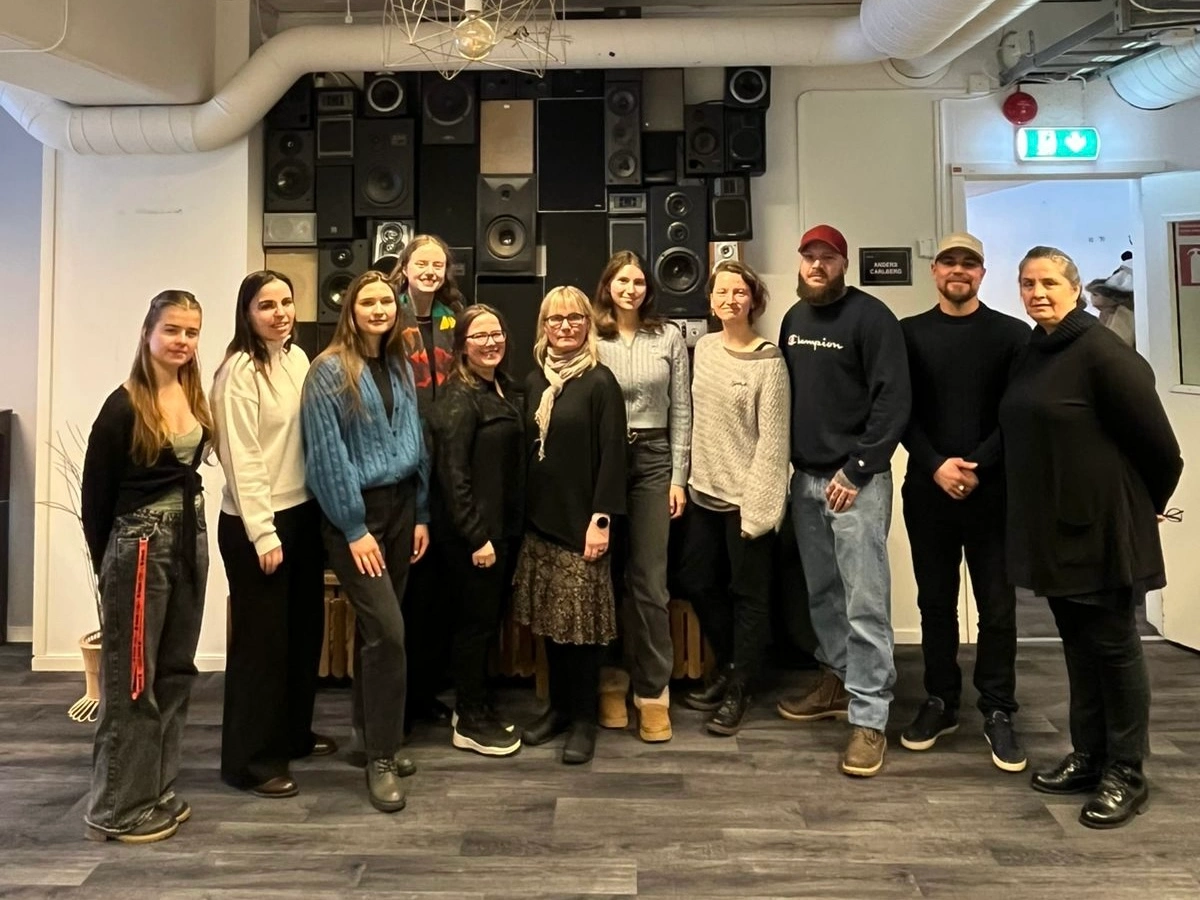
A key result of the project has been the creation and strengthening of a network between the partner organizations. Through continuous exchange—both during study visits and training sessions—participants were able to share knowledge, compare practices, and reflect on the similarities and differences between national prison and probation systems. This international cooperation not only broadened perspectives but also created a foundation for ongoing collaboration beyond the project period.
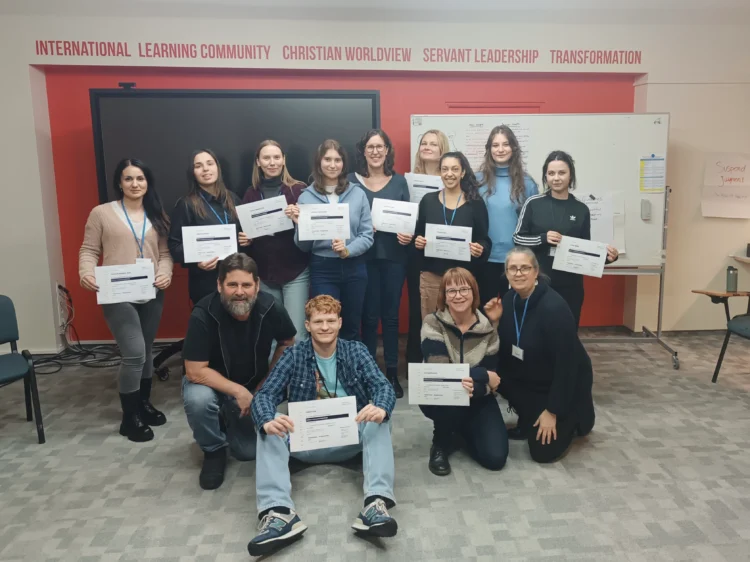
Throughout the project, targeted trainings played a central role. Participants took part in a Dialogue for Peaceful Change (DPC) training, including Training of Trainers and facilitator development, as well as workshops on trauma and resilience. These trainings provided practical tools for conflict analysis, mediation, and emotional awareness—skills that are essential when working in complex and often high-stress prison environments.
Importantly, these were not only theoretical exercises. Participants began integrating trauma-informed approaches, grounding techniques, and structured dialogue methods into their everyday work.
The international study visits—in Latvia, Sweden, and Lithuania—offered participants the opportunity to experience different systems firsthand. Meetings with prison staff, probation services, and NGOs, as well as workshops, allowed participants to test new methods in real-life settings. These exchanges highlighted both shared challenges and innovative practices, particularly in areas such as reintegration, early intervention, and community involvement.
A recurring theme throughout the project was the importance of empathy and human connection. Participants emphasized the value of seeing individuals beyond their circumstances and creating spaces where they feel heard and understood. Dialogue-based and creative approaches were highlighted as effective ways to build trust and support personal change.
At the same time, the project brought attention to the emotional demands placed on professionals and volunteers working in prison environments. Trainings on resilience and vicarious trauma underscored the need for self-care and long-term support systems, ensuring that those working in the field can sustain their engagement and effectiveness over time.
Looking ahead, the project has already secured funding for a follow-up, larger-scale initiative. This next phase will build on the partnerships, knowledge, and practices developed during the project, further advancing trauma-informed and restorative approaches across the region.
Overall, Networking and Training Opportunities for More Humane Prisons demonstrates how international cooperation, practical training, and a strong focus on human relationships can contribute to meaningful change. By combining knowledge exchange with hands-on experience, the project has laid a solid foundation for continued efforts toward more humane and rehabilitative prison systems for young people.

This publication has been produced with the financial support from the Nordic Council of Ministers. The content of this publication is the sole responsibility of the coordinators of this project and does not necessarily reflect the views or policies of the Nordic Council of Ministers.