Different places, different experiences. One shared goal: creating places where young people feel they belong


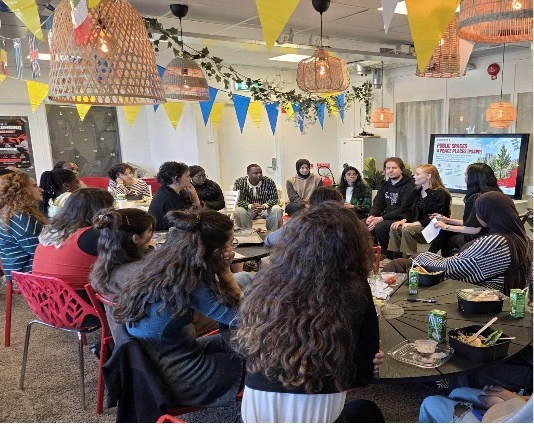
To mark the conclusion of Public Spaces 4 Peace Places (PS4PP), young people, project leaders and other participants from Sweden, Finland and Greece came together at Fryshuset in Stockholm on October 3. The final event created a space to share experiences, learn from one another and reflect on what had been achieved during the three years of the project.
Throughout the day, participants shared stories, activities and lessons from their local projects. The young participants were not only there to meet and learn from each other, but also to share their experiences and insights with the other people taking part in the event. Through discussions, presentations and conversations, they explored what belonging, participation and inclusive public spaces can look like in different communities. Across the activities, young people described belonging through simple but powerful ideas: being heard, seen and respected; being able to be yourself; feeling safe and comfortable without being judged; listening to and accepting one another; and having a space where people can feel at home.
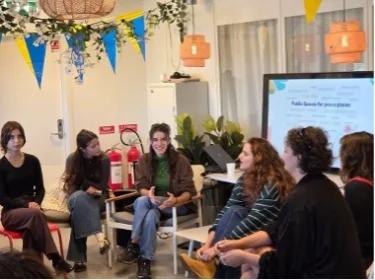
The Finnish group opened up a conversation about their experiences of PS4PP and the importance of creating spaces where young people feel listened to and included. One young participant described the experience by saying:
“This was the first time in a long time that I felt heard.”
During one of the group activities, participants were asked what makes them feel like they belong. Their answers included inclusion, diversity, unity and encounters with different people. Others wrote about being listened to, being themselves, feeling accepted and having a shared goal. One participant described belonging as having a space where people feel comfortable and safe, while another highlighted the importance of being able to be themselves. Together, the responses showed that belonging is not only about being part of a group, but also about feeling respected, included and able to participate as yourself.
For the Finnish participants, the project had also been an opportunity to develop new skills, meet young people from other countries and see themselves as future leaders. They highlighted the importance of giving more young people opportunities to participate in projects where their voices can make a difference.
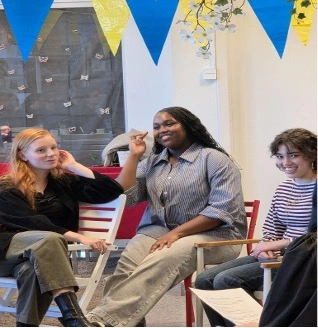
The Greek group shared their work around urban planning and showed how young people had contributed to changing their local public spaces. Their activities included working on benches, painting and creating other improvements in their communities. One example showed how a simple change to a bench could make a real difference: an older woman who had previously struggled to stand up was able to do so without help after the young people had made improvements to the bench. The Greek participants also shared how they had been working on building raised planting beds, creating opportunities for people in the community to grow plants together. These examples showed how young people’s ideas can lead to practical changes that make public spaces more welcoming, accessible and connected to the people who use them.
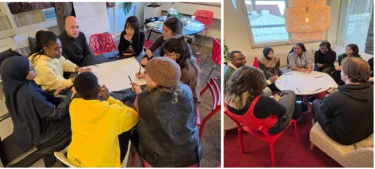
The Swedish group led an interactive discussion about what belonging means. Participants were mixed into different groups, where they shared their own experiences, thoughts and perspectives. The discussions explored what makes people feel that they belong. Among the ideas that came up were being heard, seen and respected, being able to be yourself, feeling safe and comfortable without being judged, listening to and accepting one another, meeting people from different backgrounds, diversity, unity and having a place where you feel at home.
Although the activities and local experiences were different, a common message emerged throughout the day. The young people’s reflections showed that belonging can mean feeling heard and listened to, being accepted for who you are, feeling safe and unjudged, meeting people with different backgrounds, and having a space where you can feel at home. Young people need opportunities to have their voices heard, participate in shaping their communities and create places where people feel that they belong.
The final event created an opportunity for young people from different countries to meet and learn from each other. Although the activities and experiences were different, the same message came through during the day. Young people need opportunities to have their voices heard and to take part in shaping the communities they live in. They also need spaces where they can meet others and feel that they belong.
Public Spaces 4 Peace Places is co-funded by the European Union through Erasmus+.
Public Spaces 4 Peace Places (PS4PP) is implemented by Fryshuset together with
Rauhankasvatusinstituutti (RKI) in Finland and Evolving Cycles of People, Chronicles and Projects in Greece. The project has focused on giving young people greater opportunities to take part in shaping public spaces and their communities.
Through youth-led activities, creative workshops and discussions young people in Sweden, Finland and Greece have explored what makes a public space feel safe, welcoming and inclusive. The project has also given young people the opportunity to share their ideas and experiences with others across Europe.
The final event brought together the experiences from the three countries and gave participants the opportunity to look back at what they had achieved during the project. It also highlighted the importance of creating opportunities where young people can participate, develop their skills and learn from each other.
What’s next?
A digital event will take place soon, giving those who could not attend the final event an opportunity to hear more about the project, the experiences shared and what young people have learned along the way.
In the end, belonging is about more than a place, it is about feeling that you have a place in it