Online Report “Networking and Training Opportunities for More Humane Prisons”


Project Title: Networking and Training Opportunities for More Humane Prisons
Project Duration: 01 August 2025 – 31 March 2026
Participating Organizations: Center for Dialogue and Conflict Transformation (CDCT), LCC International University (Lithuania), Prirašytos rankos (Lithuania), Radi Vidi Pats (Latvia), Stiftelsen Fryshuset (Sweden)
Project Objective
The aim of the project was to strengthen regional cooperation between organizations in Lithuania, Latvia, and Sweden working with incarcerated youth. The project focused on developing professionals’ competencies in trauma-informed approaches and mediative communication to address conflicts more effectively within prison environments and contribute to more humane and rehabilitative systems.
Main Achievements and Results of the Project
The project successfully strengthened international cooperation and built a sustainable network among partner organizations. This collaboration enabled continuous exchange of knowledge, experiences, and good practices in working with incarcerated youth across different national contexts.
A key achievement was the implementation of targeted trainings focused on trauma-informed care and mediative communication. These included the Dialogue for Peaceful Change (DPC) Training of Trainers, additional DPC training of facilitators session, and training on Vicarious Trauma Impacts and Resilience. As a result, participants gained practical tools for conflict analysis, mediation, and emotional resilience, enhancing their professional capacities.
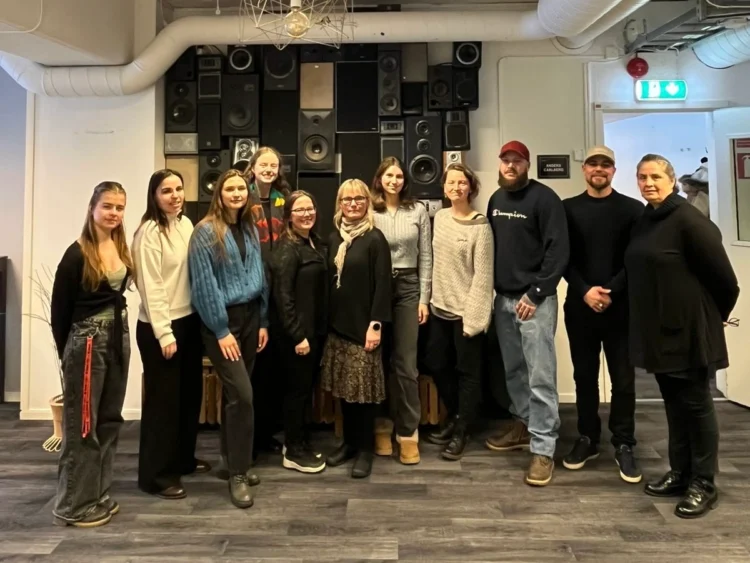
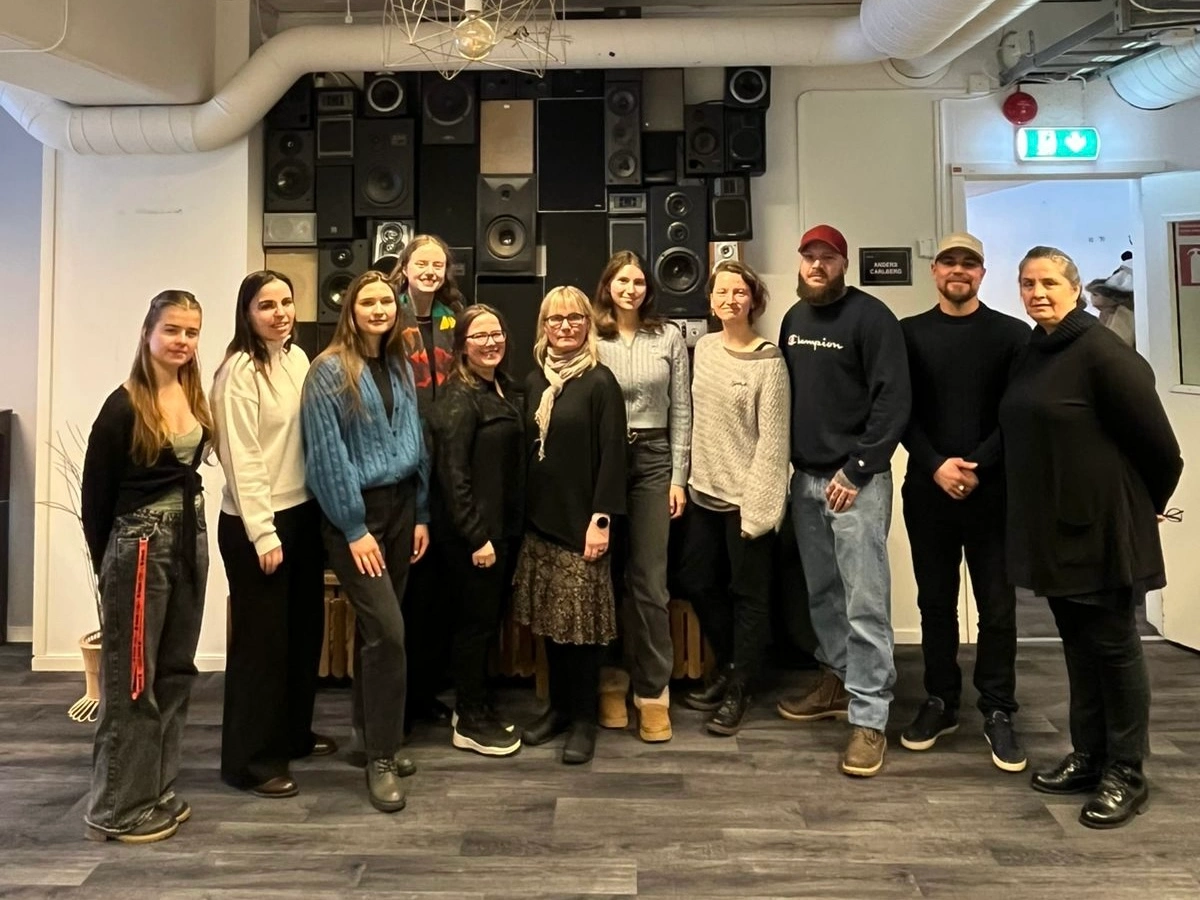
International study visits in Lithuania, Latvia, and Sweden provided valuable insight into different prison and probation systems. Participants engaged in workshops with incarcerated youth and observed practical methods in real-life settings, allowing them to test and adapt new approaches such as dialogue-based and creative interventions.
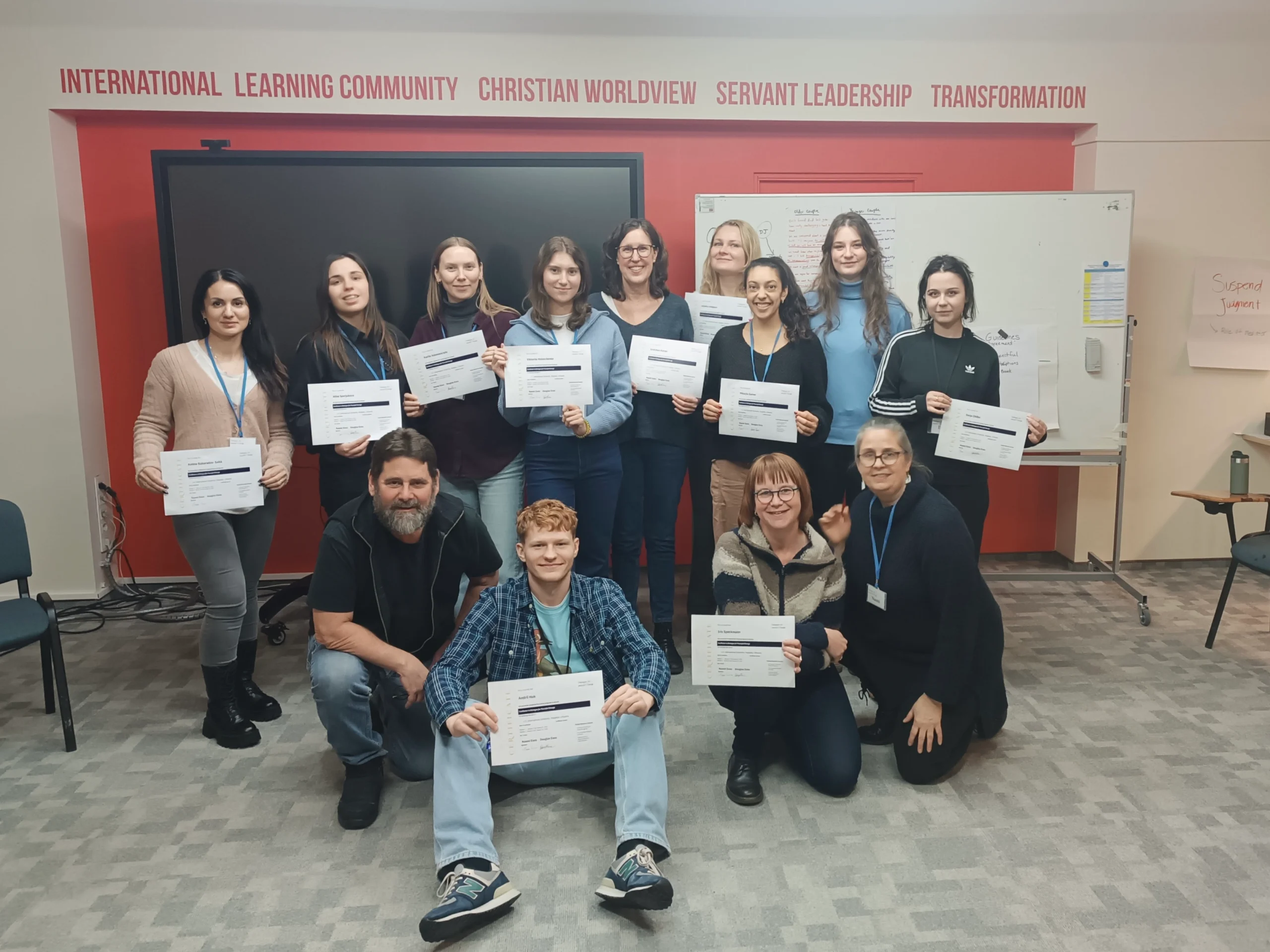
The project also led to the integration of new practices within partner organizations. Participants began applying trauma-informed methods, grounding techniques, and structured dialogue tools in their daily work.
An important outcome was the collaboration between NGOs and representatives of prison and probation systems, ensuring a more comprehensive understanding of the field and increasing the potential for long-term impact.
Finally, a significant result of the project was securing funding for a follow-up, larger-scale initiative. This ensures the continuation of cooperation and further development of trauma-informed and restorative practices among the partner organizations.
Key Takeaways from Study Visits and Trainings
The study visits and trainings offered participants a valuable opportunity to exchange experiences, reflect on their work, and gain new perspectives on prison and probation systems across different countries. A key takeaway was the importance of international collaboration.
As one participant shared, “to exchange experiences with colleagues from other countries… gave me another perspective and some ‘free-thinking moments outside the box’.”
Participants noted that the experience often broadened rather than completely changed their perspectives. Exposure to different systems revealed both similarities and significant differences, particularly in areas such as early intervention, probation practices, and responses to gang-related crime. These insights highlighted the complexity of working with incarcerated youth across Europe.
A strong emphasis was placed on trauma-informed approaches and the importance of emotional awareness in this field. Practical workshops introduced tools such as grounding techniques and creative methods for building trust. Reflecting on one activity, a participant noted that it “gave new insight and skill in ways to build trust and grow understanding… and helped rehumanize inmates so that they feel ‘seen’.”
Another important takeaway was the value of empathy and human connection. Participants emphasized the importance of seeing individuals in prison beyond their circumstances. As one participant summarized, “I gained not just knowledge, but a deeper understanding of people.”
The project also highlighted the need to support professionals and volunteers working in prison environments. The emotionally demanding nature of this work requires attention to self-care and resilience. As one participant reflected, the experience was a reminder of “the importance to take care of ourselves who do the work in these environments.”
In addition, participants explored creative and forward-thinking approaches, including dialogue-based methods and imagining alternative justice systems. Activities such as “a world without prisons” encouraged critical thinking and inspired more restorative and humane approaches to justice.
Finally, the project strengthened a sense of community among participants. Both formal sessions and informal interactions contributed to building meaningful connections. As one participant expressed, these experiences “empower us to see that we are a community of people who care… and believe in our work.”
The project demonstrated that meaningful change in prison systems requires collaboration, empathy, and continuous learning. It laid a strong foundation for ongoing international cooperation and future initiatives aimed at creating more humane and rehabilitative approaches to working with incarcerated youth.
This publication has been produced with the financial support from the Nordic Council of Ministers. The content of this publication is the sole responsibility of the coordinators of this project and does not necessarily reflect the views or policies of the Nordic Council of Ministers.